

From Clicks to Conversions: What Metrics Actually Matter in Digital Marketing


In digital marketing, dashboards often overflow with numbers like clicks, reach, impressions and followers. They are easy to measure and even easier to celebrate. But when it comes to meaningful digital marketing metrics, these numbers only tell part of the story.
As the industry evolves in an AI-first world, brands need clarity, not noise. At 8MS, we focus on the digital marketing KPIs that actually drive performance. That means shifting our attention from surface level activity to the metrics that reveal whether your marketing is genuinely working.
Why tracking digital marketing metrics is crucial
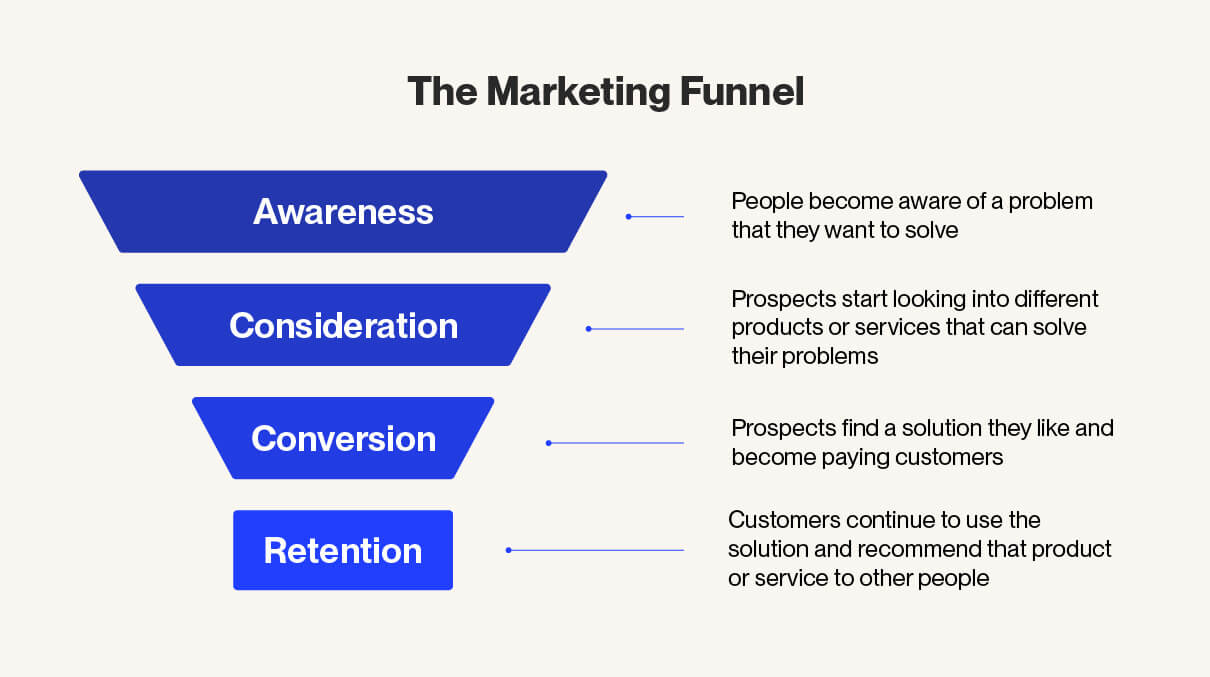
Every channel generates data, whether you are running paid ads, publishing content, improving SEO or analysing on-site behaviour. The easiest way to understand all these metrics is to align them with the marketing funnel:
- 01.Awareness: Who discovered your brand
- 02.Consideration: How users interact with your content or ads
- 03.Conversion: When a user completes a goal, such as a lead or sale
- 04.Retention: What happens after the first conversion
Organising your marketing performance metrics into these stages gives each number a purpose. For example:
- 01.High awareness and low conversion usually mean users see you but are not convinced to act
- 02.Strong engagement and low retention may indicate issues with long-term value or communication
This structure helps us understand not only what the data says but why it matters.
The problem with vanity metrics
Vanity metrics are numbers that grow quickly and look positive, but they do not directly indicate whether your marketing strategy is performing well. They are useful for understanding reach and visibility, but they should not guide key decisions on their own.
Common vanity metrics include:
- Impressions which show visibility but not engagement
- Page views which reflect traffic volume but not quality
- Followers which represent audience size but not behaviour
- Video views which can increase quickly without meaningful interaction
These numbers do hold value, especially when assessing brand awareness. However, if they grow without improvements in deeper-funnel KPIs such as conversion rate or CPA, they will not help you optimise your campaigns.
For example, a campaign might achieve thousands of clicks yet deliver almost no conversions. In this case, the click-through rate creates a false sense of success. This is why click-through metrics should support your analysis but never lead it.
When brands rely too heavily on these numbers, they risk optimising for visibility instead of impact.

The digital marketing metrics that truly matter
Performance is defined by actions, not attention. The metrics that matter most reveal how users behave, how they engage and what drives them to convert. Here are some of the most valuable performance metrics to track:
- Conversion rate - One of the most important digital marketing metrics. It measures how many visitors complete your desired action.
- Return on Investment (ROI) and Return on Ad Spend (ROAS) – These show how effectively your spend generates value, helping you make informed investment decisions.
- Cost per lead – This digital marketing KPI reveals how cost efficient your campaigns are at generating qualified prospects.
- Customer lifetime value – This long term metric helps brands understand the true worth of each customer.
- Assisted conversions – Most journeys are multi- touch. This metric highlights how different channels influence the final conversion.
- Engagement quality – Time on site, interactions and scroll depth show deeper interest compared to basic page views.
These metrics provide a more reliable view of what is working, what needs optimising and where marketing budgets can be used more effectively.
Vanity metrics vs actionable metrics: the real difference
A simple way to compare vanity metrics and actionable metrics is to think about the following:
- Vanity metrics focus on visibility, while actionable metrics focus on behaviour.
- Vanity metrics increase as you reach more people, whereas actionable metrics show whether your strategy is truly effective.
It’s easy to pay more attention to metrics like impressions, views or followers because these numbers grow quickly. Real improvement, however, comes from focusing on KPIs that reveal what users do and why they behave that way.
How brands can move from activity to meaningful impact
Shifting from vanity metrics to performance metrics doesn’t mean ignoring visibility. It means connecting visibility to value. Here are several practical steps to help brands make this shift:
- 01.Set clear goals – Tie your KPIs to business outcomes. For example, “increase qualified leads” is more meaningful than “increase traffic.”
- 02.Use proper tracking – Tools like Google Analytics, platform pixels and attribution models help map the customer journey accurately.
- 03.Evaluate assisted conversions – Understanding how each channel contributes prevents you from undervaluing key touchpoints such as organic search or social.
- 04.Focus on insight, not just numbers – Reporting should explain what happened, why it happened and how performance can improve.
This shift allows brands to make smarter decisions and invest in channels that deliver growth.
Why metrics matter now more than ever
Search behaviour is changing. Users now discover brands through a variety of ways, including social search, review sites, marketplaces and AI powered answers – often without clicking through to the websites. This makes traditional metrics like impressions or click volume less reliable on their own.
Focusing on meaningful digital marketing metrics helps brands understand the quality of their visibility and the true effectiveness of their campaigns across the full search ecosystem.
Find out more about our approach to Search Ecosystem Optimisation.
Turning metrics into meaning
Clicks may get attention, but conversions create impact. Success today comes from connecting data with real business outcomes.
At 8MS, we help brands move beyond vanity metrics and focus on the digital marketing KPIs that drive long- term growth. If you want deeper insight into what’s working – and what isn’t – we can help you turn your metrics into meaningful growth.
Get in touch and let’s make it happen.
